
Streets
Road surfaces are specified for tyres and endured by feet
Surfacing decisions are made on vehicle performance and whole-life cost. What they do to walking, cycling and noise arrives as a side effect.
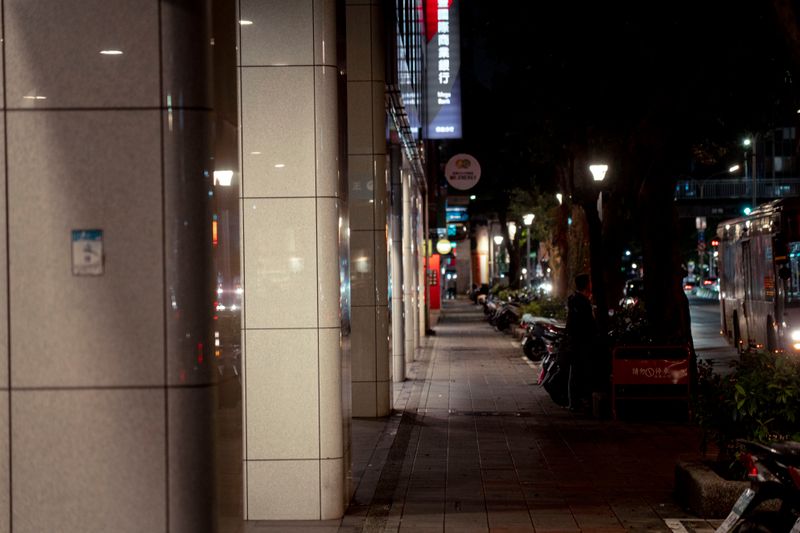
These are listed in the order worth acting on, which with road surfacing materials is not the order they are usually presented in.
What matters most
- Surface choice is driven by vehicle loading and maintenance cycles.
- Setts and cobbles are durable and hostile to wheels and canes.
- Utility reinstatement, not wear, causes most footway trip hazards.
Surfacing is chosen for the heaviest user
A carriageway must carry buses and lorries, so its construction is sized for the heaviest axle loads rather than for the vehicles that dominate by number. That drives thickness, material and cost, and it means a residential street built for occasional refuse vehicles is over-specified for daily use.
Asphalt dominates because it is fast to lay, easy to reinstate and quiet relative to the alternatives when the mix is chosen for it. Concrete lasts longer and is much slower to repair, which matters in a street where utilities will be opened repeatedly over decades. The decision is therefore about the maintenance regime as much as the material, and the maintenance regime is what the street will experience.
Historic setts are durable and difficult
Stone setts last far longer than asphalt, survive heavy loading and can be lifted and relaid after utility work without visible patching. They are also uneven, which makes them tiring for wheelchair users, unpleasant for pushchairs and genuinely painful for some people with joint conditions.
For cyclists they transmit vibration and become slippery when wet, particularly where the stone has been polished by long use. Heritage protection often requires their retention, producing a direct conflict between conserving fabric and providing an accessible surface. Sawn or flame-textured setts, or a smooth strip within a sett surface, are the usual compromise and each has its critics.
Noise comes from the surface as much as the vehicle
At urban speeds a substantial part of vehicle noise is generated where the tyre meets the road, and the texture of that surface changes it. Low-noise asphalt uses a finer, more porous mix that reduces the sound generated and traps less water spray in wet conditions.
Across a network, these surfaces cost more and their acoustic advantage declines as the pores fill with dirt, so the benefit is greatest when new. They also need different maintenance, and a low-noise surface patched with ordinary material loses part of its purpose at each repair. For residents on a busy street, resurfacing is one of the few noise interventions available that does not require reducing traffic.
Footway materials fail in different ways
Concrete flags look tidy and rock when the bedding beneath them settles, producing the raised edges that cause most footway falls. Asphalt footways are cheaper and less attractive, and they deform under parked vehicles, which is why footway parking shows up as ruts. Small unit paving allows access to services beneath without cutting, which is its main practical advantage over a continuous surface.
On the ground, whatever the material, the critical variable is the quality of the base, since a good base under a modest surface outperforms the reverse. Most visible footway failure is a base failure that has appeared at the surface some years after the work that caused it.
Reinstatement causes more damage than traffic
Utility companies open streets to reach pipes and cables, and the patch they leave behind is the commonest source of an uneven surface. Reinstatement standards exist in most countries and are enforced with varying enthusiasm, and the failures usually appear after the guarantee period. A street opened repeatedly ends up as a patchwork with many edges, and each edge is a potential trip and a route for water to enter.
Coordinating works so that several utilities open a street once rather than four times is an administrative problem with a physical payoff. Ducting laid at construction, so future cables can be pulled through without excavation, avoids the issue entirely on new streets.
The data here is patchy — most cities do not publish it consistently.
What to look at underfoot
Scan for level differences at patch edges, because these are the defects that cause falls and they are also the easiest to report. Notice where the surface changes material, since a junction between two surfaces is where settlement and water ingress concentrate. On a resurfaced street, check whether the ironwork sits flush, as sunken or proud covers are a common consequence of a rushed job.
Look at the gutter line, because standing water indicates the falls are wrong and that puddle will be splashing pedestrians for years. Where setts have been retained, see whether any smooth route has been provided, since its absence tells you whose use was prioritised.
Everything above, in order of what to do first
- Surfacing is chosen for the heaviest user. A carriageway must carry buses and lorries, so its construction is sized for the heaviest axle loads rather than for the vehicles that dominate by number.
- Historic setts are durable and difficult. Stone setts last far longer than asphalt, survive heavy loading and can be lifted and relaid after utility work without visible patching.
- Noise comes from the surface as much as the vehicle. At urban speeds a substantial part of vehicle noise is generated where the tyre meets the road, and the texture of that surface changes it.
- Footway materials fail in different ways. Concrete flags look tidy and rock when the bedding beneath them settles, producing the raised edges that cause most footway falls.
- Reinstatement causes more damage than traffic. Utility companies open streets to reach pipes and cables, and the patch they leave behind is the commonest source of an uneven surface.
- What to look at underfoot. Scan for level differences at patch edges, because these are the defects that cause falls and they are also the easiest to report.
The takeaway
Look down. The surface records every decision made about a street and every one deferred.
The design decision is visible long after the people who made it have gone.
Questions readers ask
Are cobbled streets bad for accessibility?
Traditional rounded setts are difficult for wheelchairs, pushchairs and cane users, and uncomfortable for many walkers. Sawn setts or a smooth strip within the surface reduce the problem without removing the fabric.
Why do resurfaced roads get dug up again so soon?
Because utility works are programmed separately from highway maintenance. Coordinating the two requires cross-organisation scheduling that many places have not established.


