Transit
Bike lanes fail at junctions, which is where the collisions are
A protected lane between junctions is straightforward. Protecting the point where paths cross is the actual engineering problem.
Metro, bus, tram and bike networks, judged on whether people actually use them.
21 articles · updated August 11, 2026 · page 1 of 2

Transit
Networks are marketed on speed and length. Riders experience waiting, and waiting is set by frequency.
Transit
A protected lane between junctions is straightforward. Protecting the point where paths cross is the actual engineering problem.
Transit
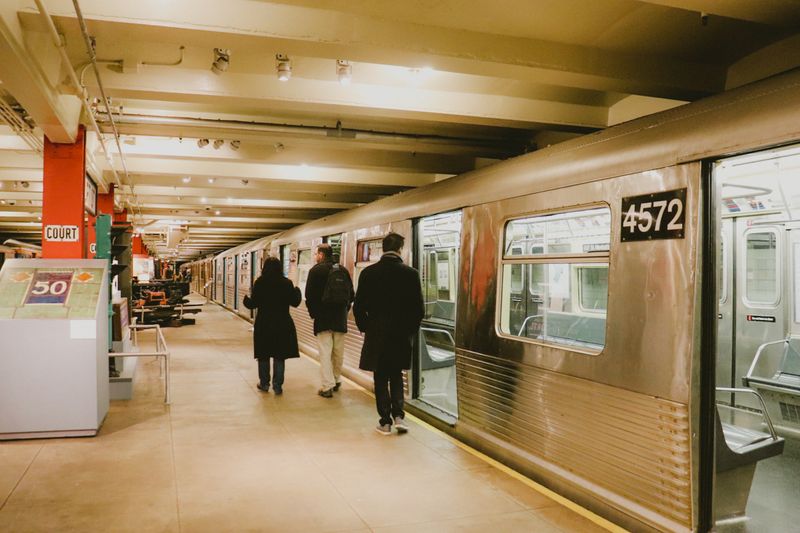
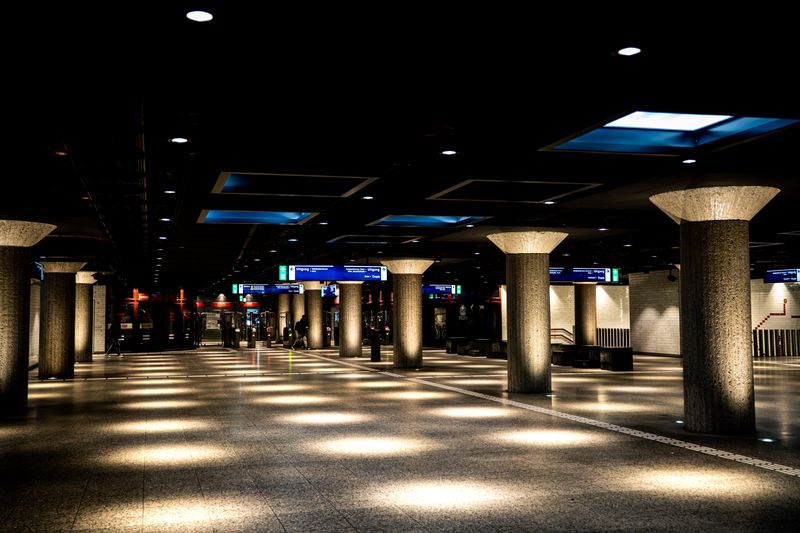
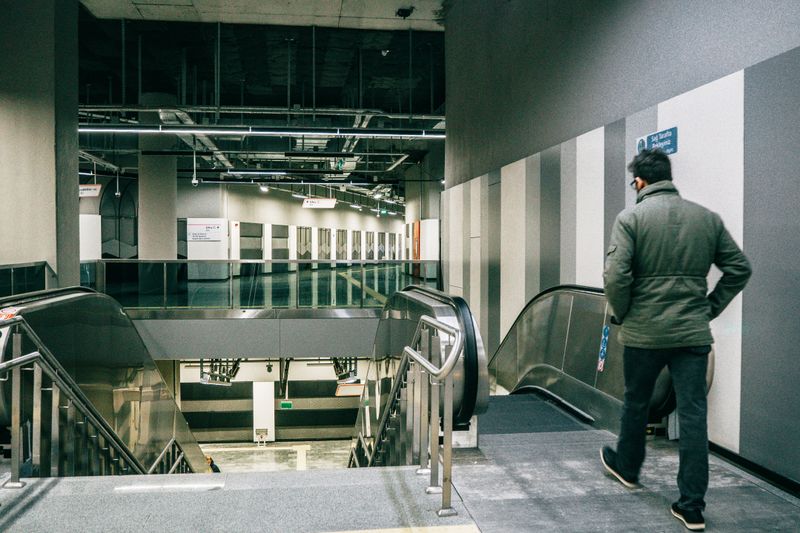
The train is the easy part. Moving several hundred people from a platform to a street in ninety seconds is the design problem.
Transit
Buses are slow less because of traffic than because of the accumulated seconds spent stationary at stops with the doors open.
Transit
Lanes that end before the junction hand the bus back to the queue at exactly the point where the queue exists.
Transit
Every change of vehicle is a decision point, and a meaningful share of people decide not to make the trip at all.
Transit
Closer stops shorten the walk to the service and lengthen every journey on it. Both effects are real and they point opposite ways.
Transit
A lift at one end of a journey is useless without one at the other. Accessibility is measured in complete trips or not at all.
Transit
How a system charges determines which journeys people make, which routes fill up and whether the network functions as one thing.
Transit
Most of the performance gap attributed to steel wheels comes from priority, platform design and permanence rather than from the…
Transit
Transport models are built on assumptions that fail in known ways, and the failures cluster rather than cancelling out.
Transit
A secure rack extends a station catchment from a ten-minute walk to a fifteen-minute ride, for the cost of a few metres of pavement.