Transit
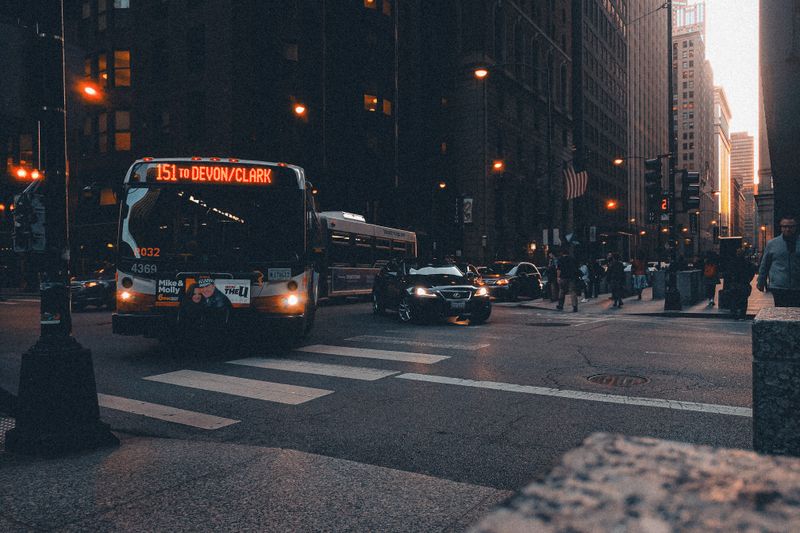
A late bus costs more than a slow one
Passengers plan around the worst trip they expect rather than the average one, so unreliability is paid for twice.
Metro, bus, tram and bike networks, judged on whether people actually use them.
21 articles · updated August 11, 2026 · page 2 of 2
Transit
Passengers plan around the worst trip they expect rather than the average one, so unreliability is paid for twice.
Transit
The hours a network does not run are decided by engineering access, staffing and depots rather than by whether anyone wants to…
Transit
A car park at a station converts car trips into rail trips. It can also convert bus and bike trips into car trips.
Transit
Knowing when a service will arrive does not make it arrive sooner. It changes what the wait feels like and what the passenger does…
Transit
Fare control decides where crowds form, how many entrances a station can have and how quickly it empties in an emergency.
Transit
Passengers use a network they can hold in their head. Legibility is a design property that can be built in or lost.
Transit
Vehicles have to sleep somewhere, be cleaned somewhere and be repaired somewhere. Those sites quietly constrain the whole network.
Transit
Dockless vehicles fill a genuine gap in urban networks. The gap they create is on the pavement they are left on.
Transit
Boats move few people slowly and can still be the right answer when a bridge would cost more than a city can raise.