Transit
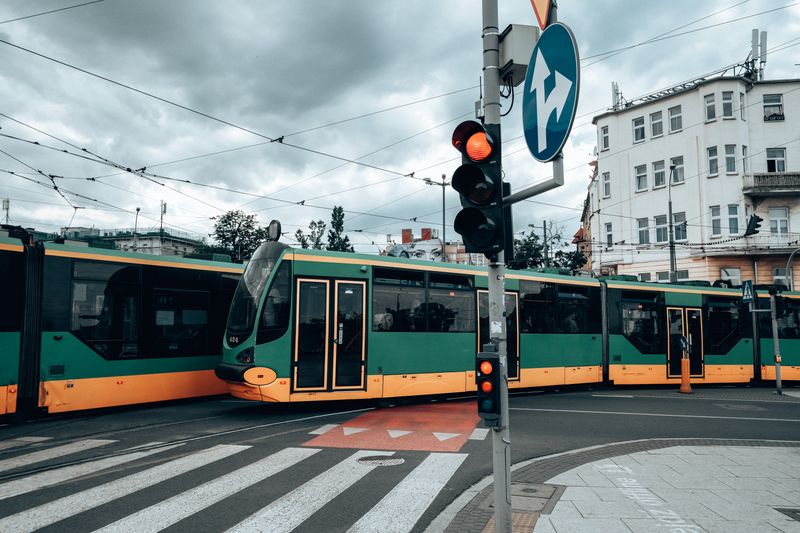
Bike lanes fail at junctions, which is where the collisions are
A protected lane between junctions is straightforward. Protecting the point where paths cross is the actual engineering problem.
Contributing writer, Street to Sky
Ravi covers planning, zoning and the politics of who gets to build what.
Contact Ravi through our contact page — mark your message for their attention and it will be passed on.
Transit
A protected lane between junctions is straightforward. Protecting the point where paths cross is the actual engineering problem.
Buildings
Lifts, stairs, risers and structure all grow faster than the floor area they serve. That ratio, not the facade, sets the economics…
Buildings
The outer skin of a building is judged in photographs and tested by flame spread. Those two assessments have almost nothing in…
Buildings
Every metre dug below ground fights water, soil pressure and the neighbours. The floor area gained is the most expensive on the…
Buildings
The lifts, plant, landscaping and cladding access chosen in year one become a bill residents pay every year afterwards.
Transit
Lanes that end before the junction hand the bus back to the queue at exactly the point where the queue exists.
Transit
How a system charges determines which journeys people make, which routes fill up and whether the network functions as one thing.
Transit
A secure rack extends a station catchment from a ten-minute walk to a fifteen-minute ride, for the cost of a few metres of pavement.
Transit
The hours a network does not run are decided by engineering access, staffing and depots rather than by whether anyone wants to…
Buildings
Building components off site promises speed and consistency. It also concentrates the risk in a place the developer does not…
Buildings
Every building has one and almost none of them do anything. The obstacles are structural, legal and about access rather than about…
Transit
Knowing when a service will arrive does not make it arrive sooner. It changes what the wait feels like and what the passenger does…
Transit
Fare control decides where crowds form, how many entrances a station can have and how quickly it empties in an emergency.
Transit
Boats move few people slowly and can still be the right answer when a bridge would cost more than a city can raise.