Climate & Cities
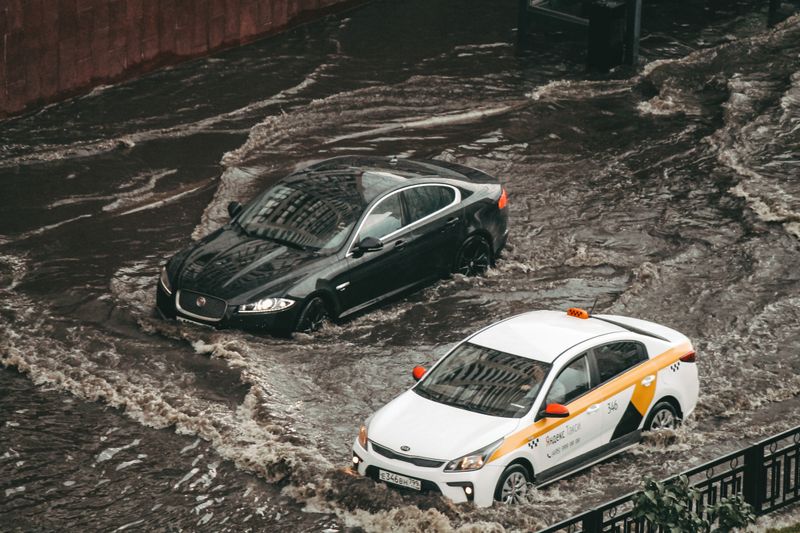
Cities were drained, and now they are being un-drained
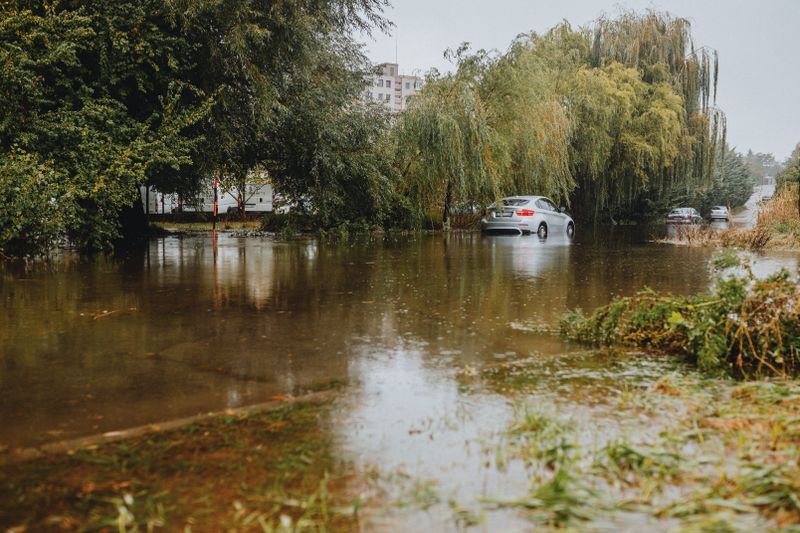
A century of piping water away as fast as possible turned out to be the wrong strategy. Reversing it is slow.
Heat, water, shade and retrofitting cities that were built for a different climate.
20 articles · updated August 11, 2026 · page 1 of 2

Climate & Cities
Cities run several degrees hotter than their surroundings for identifiable reasons, and most of them are addressable.
Climate & Cities
A century of piping water away as fast as possible turned out to be the wrong strategy. Reversing it is slow.
Climate & Cities
A tree planted into a hole surrounded by structural roadbase is planted into a container. Most urban tree failures are decided…
Climate & Cities
New construction is a small annual addition to a stock that turns over slowly. Emissions from buildings are a retrofit problem.
Climate & Cities
Fabric improvements were designed to keep heat in. In a warming climate they also keep it in during the summer.
Climate & Cities
Concentrations fall away sharply within metres of a busy road, which means where you stand matters as much as which city you are in.
Climate & Cities
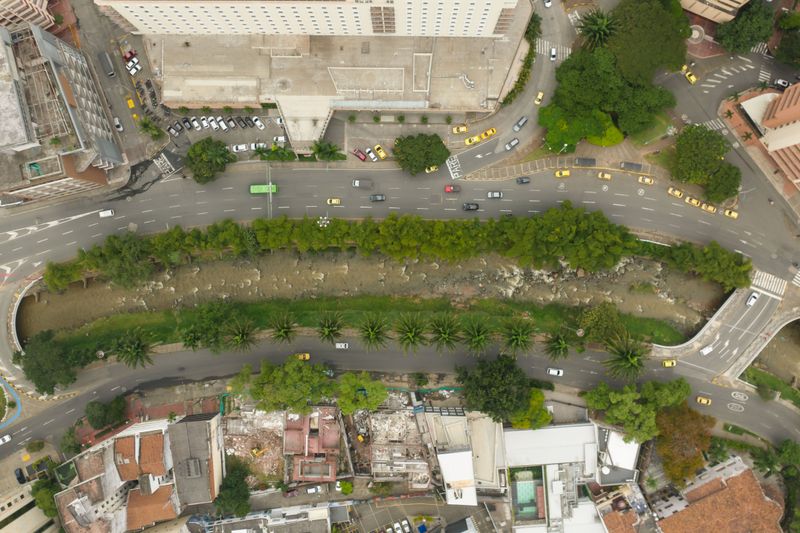
Uncovering a culverted watercourse looks like landscape architecture. Its real function is giving water somewhere legitimate to go.
Climate & Cities
Reflective pavements lower surface temperature by sending radiation back. Some of it goes back into the faces of people walking…
Climate & Cities
The technology is well understood and the pipes have to go somewhere, and that somewhere is under streets already full of…
Climate & Cities
Heat deaths concentrate among people who are isolated, immobile and indoors. The response is a contact list before it is a…
Climate & Cities
Subsidence damage in dry summers is a soil moisture story, and the arguments about it usually end up being arguments about trees.
Climate & Cities
Risk maps are built from historical records and assumed drainage performance. Both of those assumptions are moving.