Planning
Zoning decides skylines more than architects do
The shape of a city is largely a legal document. Reading it explains buildings that otherwise look arbitrary.
Contributing writer, Street to Sky
Karin writes about public space, and measures benches for a living.
Contact Karin through our contact page — mark your message for their attention and it will be passed on.
Planning
The shape of a city is largely a legal document. Reading it explains buildings that otherwise look arbitrary.
Transit
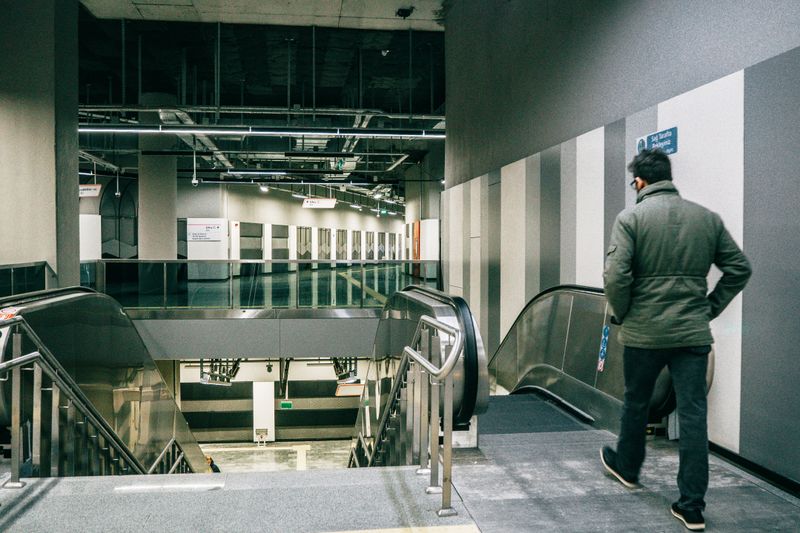
The train is the easy part. Moving several hundred people from a platform to a street in ninety seconds is the design problem.
Transit
Every change of vehicle is a decision point, and a meaningful share of people decide not to make the trip at all.
Transit
Closer stops shorten the walk to the service and lengthen every journey on it. Both effects are real and they point opposite ways.
Transit
Transport models are built on assumptions that fail in known ways, and the failures cluster rather than cancelling out.
Planning
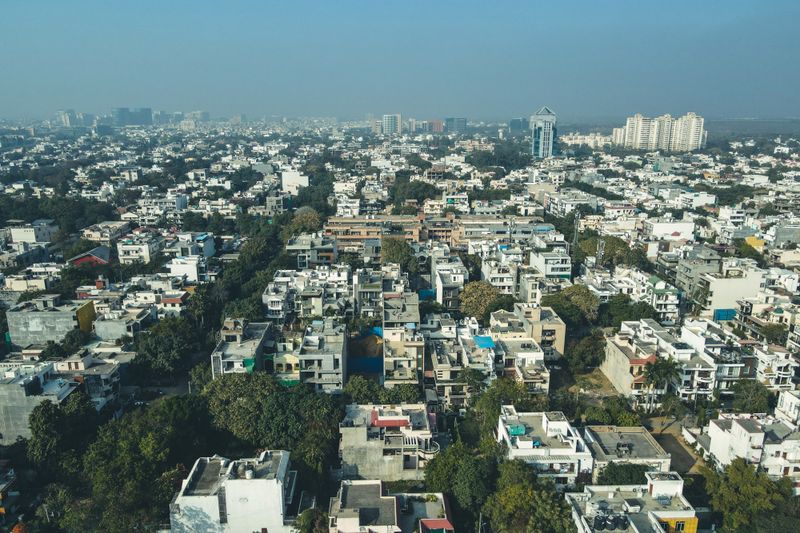
Dwellings per hectare tells you nothing about how many people are there, how much floorspace exists, or what the place feels like.
Planning
Some of the best-located sites in a city sit vacant because assembling them requires agreement from too many people at once.
Planning
A new station makes surrounding land worth more overnight. The public paid for the station and the uplift lands in private hands.
Planning
Active frontage rules produce shopfronts on streets with no shoppers, which then sit empty and deaden the block they were meant to…
Planning
Reusing industrial land is the right answer environmentally and it starts with a bill for everything that happened there before.
Transit
Passengers use a network they can hold in their head. Legibility is a design property that can be built in or lost.
Transit
Dockless vehicles fill a genuine gap in urban networks. The gap they create is on the pavement they are left on.
Planning
Requiring a set number of spaces per dwelling looks like transport policy. Its main effects land on what gets built and what it…
Planning
A policy percentage is the opening position. What gets delivered depends on a viability argument conducted mostly in private.
Planning
Large sites are planned once and built over decades. Almost everything assumed at the start will change before the last phase.
Planning
The written policy says one thing. What survives challenge is what actually governs, and it is written case by case.
Planning
A restriction on how tall a building may be normally has a technical origin. The aesthetic argument is layered on afterwards.