
Planning
Noise Rules Put The Burden On The Newcomer
When homes are built beside an existing venue or workshop, planning systems generally require the new arrival to insulate itself, and the results decide which uses survive.
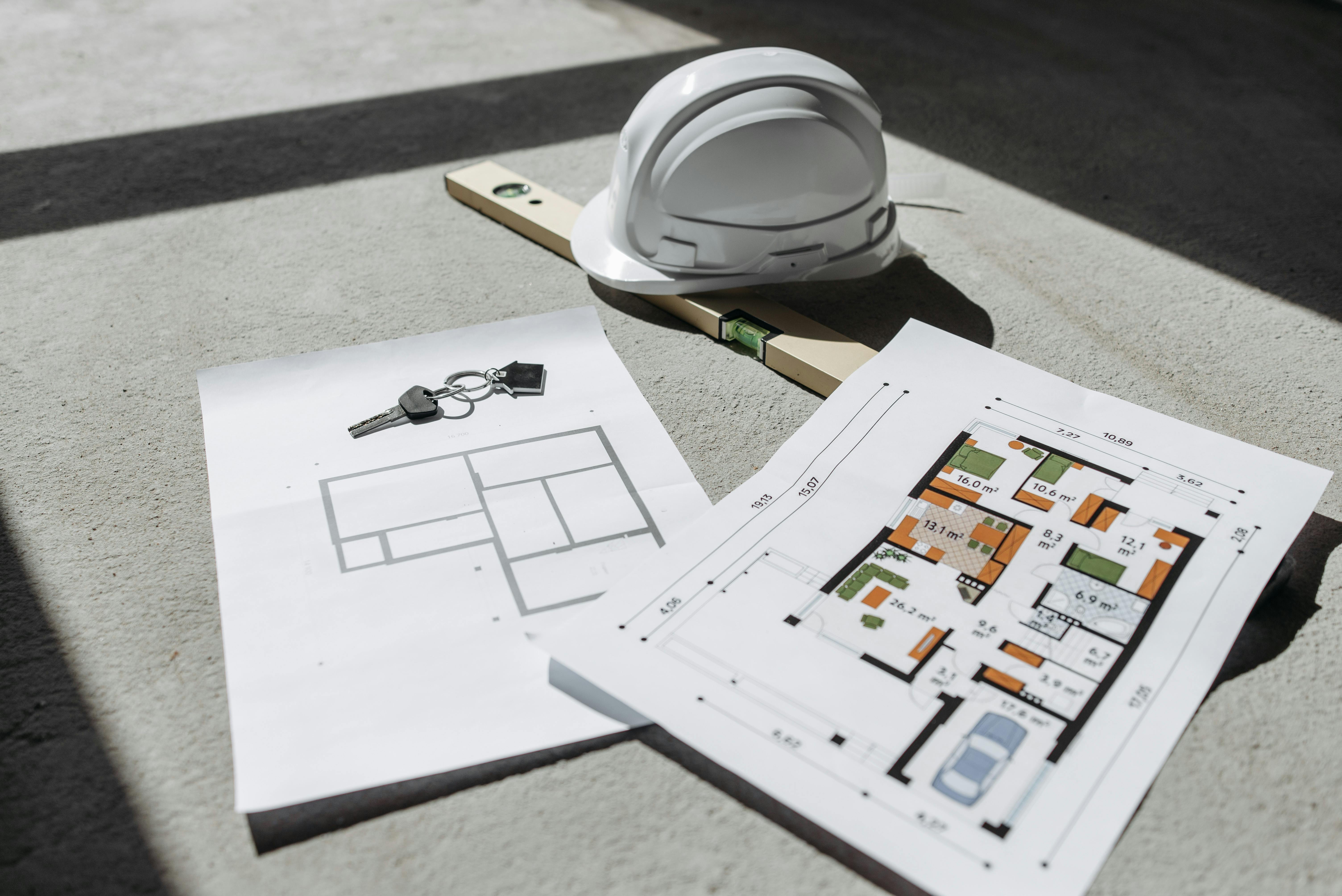
Housing built next to an existing noisy use creates a predictable conflict. Which party bears the cost of resolving it is a planning decision with consequences for city character.
The default puts mitigation on the new development
Where an established use was operating lawfully before homes arrived, the usual principle is that the newcomer must design around it rather than curtail it.
In practice that means acoustic glazing, mechanical ventilation so windows need not open, and layouts that put bedrooms away from the source.
These measures add cost and reduce flexibility, and they are secured through conditions that survive as long as the building does.
Enforcement pressure often lands on the older use anyway
Residents who move in still complain, and complaints go to environmental health, which operates under a separate regime concerned with nuisance rather than planning history.
A venue can therefore find itself defending its hours or its plant against a statutory process even though planning explicitly anticipated its presence.
The cost of that defence falls on an operator with far less capital than the developer whose scheme created the situation.
Mitigation works only while the building is used as designed
Acoustic performance depends on windows staying closed, which depends on the ventilation system working and on residents accepting mechanical air in warm weather.
When people open windows because the flat is too hot, the mitigation stops functioning and the noise arrives as though nothing had been specified.
This is why overheating and acoustics are properly a single problem, although they are usually assessed by separate consultants against separate standards.
Measurement does not capture what people object to
Noise limits are expressed as averaged levels over defined periods, which suits steady sources such as traffic and describes intermittent ones poorly.
A single loud event late at night can generate more complaints than a busy road that produces a higher average, because disturbance depends on pattern and expectation.
Conditions written around averages therefore permit exactly the events that cause the disputes they were meant to prevent.
Agent of change principles shift the starting point
Some jurisdictions have adopted an explicit rule that whoever introduces the change bears the responsibility for managing its effects, whether that is a new home or a newly noisy business.
This does not eliminate conflict, but it makes the allocation predictable, which allows both parties to price the obligation before committing.
Where the principle is absent, the outcome depends on who complains most persistently, which tends to favour residents over the uses that were there first.
Questions readers ask
Can a design review panel refuse a scheme?
No. It advises, and the decision stays with the planning authority. Its influence comes from whether officers and members give the advice weight in the report and the determination.
Are design codes better than review?
They do different jobs. Codes give certainty and handle routine cases uniformly; review applies judgement to unusual ones. Systems that work well generally use both alongside skilled in-house officers.


